


Optos Ultra-Widefield Imaging vs. Dilated Eye Exams: Which Do You Need in Elmhurst?

Optos Ultra-Widefield Imaging vs. Dilated Eye Exams: Which Do You Need in Elmhurst?

Optos Ultra-Widefield Imaging vs. Dilated Eye Exams: Which Do You Need in Elmhurst?

Optos Ultra-Widefield Imaging vs. Dilated Eye Exams: Which Do You Need in Elmhurst?

Optos Ultra-Widefield Imaging vs. Dilated Eye Exams: Which Do You Need in Elmhurst?

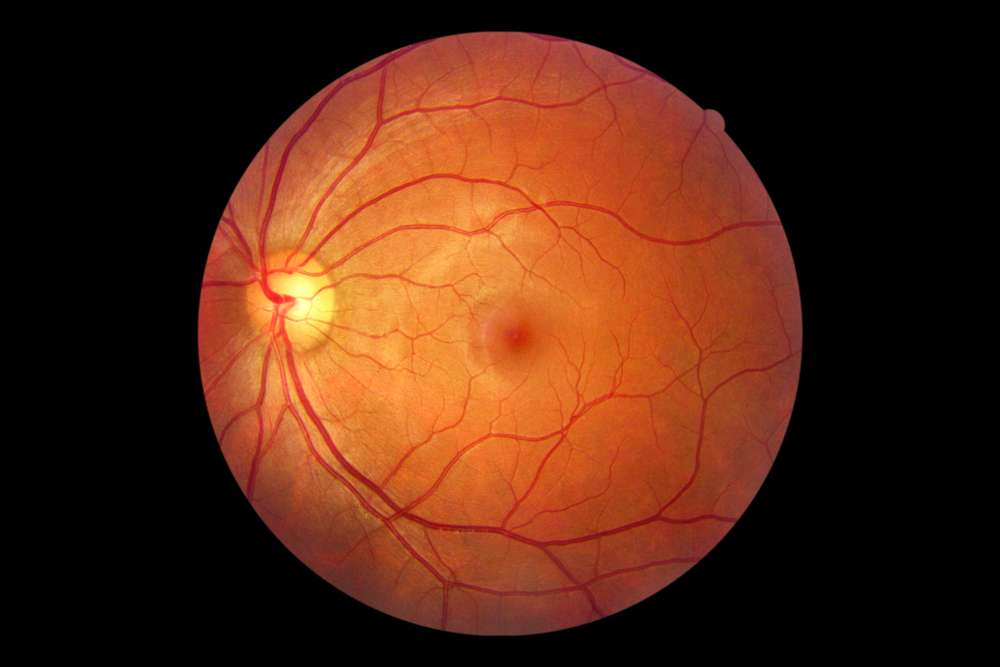
Examining the retina is an important part of protecting your long-term eye health. At Skowron Eye Care in Elmhurst, we use advanced Optos ultra-widefield imaging to get a detailed view of the retina, often without the inconvenience of dilating your pupils. However, there are situations when a dilated eye exam may still be necessary. Understanding the difference between Optos imaging and dilation can help you know what to expect during your next comprehensive eye exam.
What Is Optos Ultra-Widefield Imaging?
Optos is advanced retinal imaging technology that captures a panoramic image of the back of the eye. At our Elmhurst office, this technology can provide an approximately 200-degree view of the retina in a single image.
The process is quick, noninvasive, and generally does not require eye drops. The detailed images also become part of your eye health record, allowing us to compare changes in the retina from one visit to the next.
Optos imaging can help us evaluate the retina and look for signs associated with conditions such as diabetic retinopathy, macular degeneration, retinal problems, and certain optic nerve disorders.
How Is a Dilated Eye Exam Different?
During a dilated eye exam, special drops temporarily enlarge the pupils. This allows the doctor to examine structures inside the eye through a wider opening.
Dilation can provide an important additional view when we need to investigate a symptom or examine a specific area more closely. The effects of dilation may last for several hours and can temporarily cause light sensitivity and blurry near vision.
At Skowron Eye Care, our advanced diagnostic technology means dilation may not be necessary at every routine visit. We recommend it when it provides additional information needed to properly evaluate your eye health.
When Might You Need Dilation?
Whether you need Optos imaging, dilation, or both depends on your symptoms, medical history, and what we find during your eye exam. Dilation may be recommended when:
• You have new flashes, floaters, or other sudden vision changes
• A retinal image reveals an area that needs closer evaluation
• You have certain eye or systemic health conditions that require additional monitoring
• We suspect a retinal problem or other condition affecting the back of the eye
• Additional examination is needed to confirm or better understand a diagnosis
Our doctors determine which testing is appropriate based on your individual eye health rather than relying on one approach for every patient.
Does Optos Replace a Dilated Eye Exam?
Optos imaging and dilation are different tools, and one does not automatically eliminate the need for the other. Ultra-widefield retinal imaging gives us a broad, detailed image of the retina and can often make routine retinal evaluation more convenient. A dilated examination may still provide important additional information in certain circumstances. This is why we incorporate Optos into a comprehensive eye exam rather than treating retinal imaging as a substitute for professional evaluation.
Advanced Retinal Imaging in Elmhurst
Our goal is to make comprehensive eye care as thorough and convenient as possible. With Optos ultra-widefield imaging, we can document a large portion of the retina quickly, monitor changes over time, and determine whether further examination or dilation is appropriate.
Schedule your comprehensive eye exam and Optos retinal imaging with Skowron Eye Care. Visit our office in Elmhurst, IL, or call (630) 834-6244 to book your appointment.


© 2026 Skowron Eye Care. All rights Reserved. Accessibility Statement - Privacy Policy - Sitemap
Powered by:
