


Myopia (Nearsightedness)
Myopia (Nearsightedness)
Myopia (Nearsightedness)

Myopia (Nearsightedness)
Myopia (Nearsightedness)
With myopia, nearsightedness, a person sees things more clearly close up and blurred at a distance.
The eye is longer or more curved than normal, which causes light to focus in front of the back of the eye (retina).
This genetic tendency usually develops during childhood, but it can evolve in the 20s.
The degree of nearsightedness usually progresses for several years; eventually, it levels out.
Myopia is NOT considered an eye disease, rather it is a normal variation in the shape of your eye. A myopic eye is a healthy eye which focuses light slightly off target.
Nearsightedness is corrected with glasses, contact lenses, or refractive surgery.
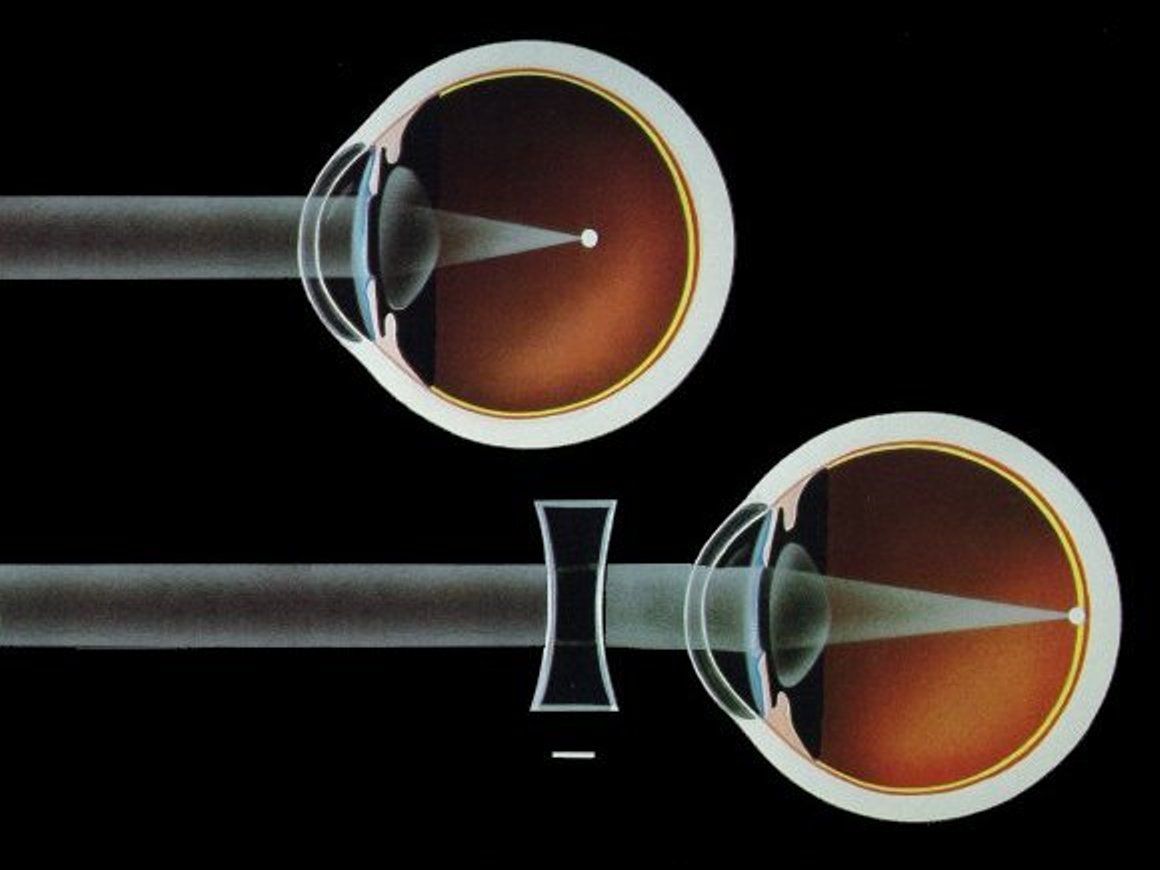
A myopic eye focuses in front of the retina
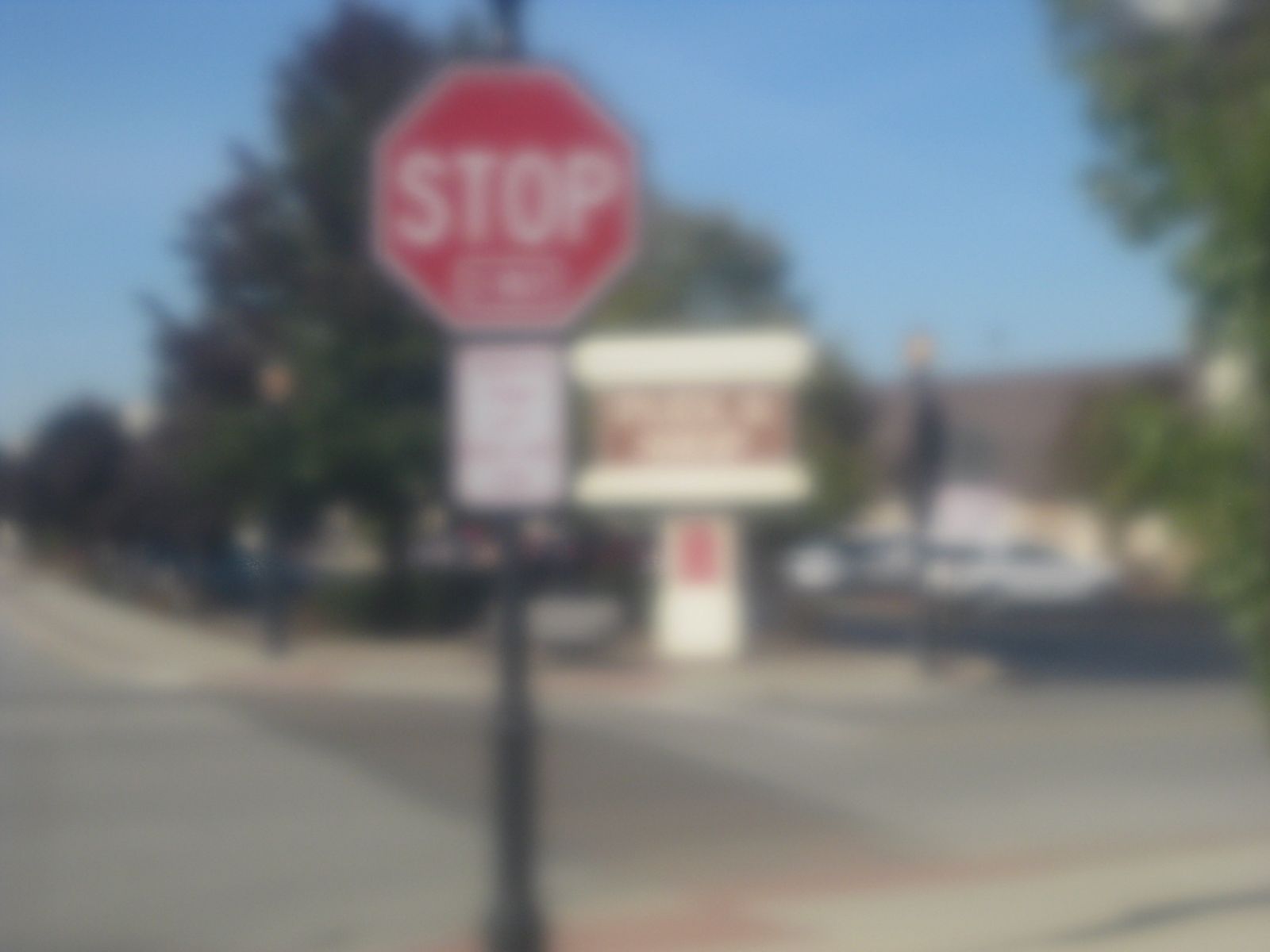
The vision of a nearsighted person (20/200)*
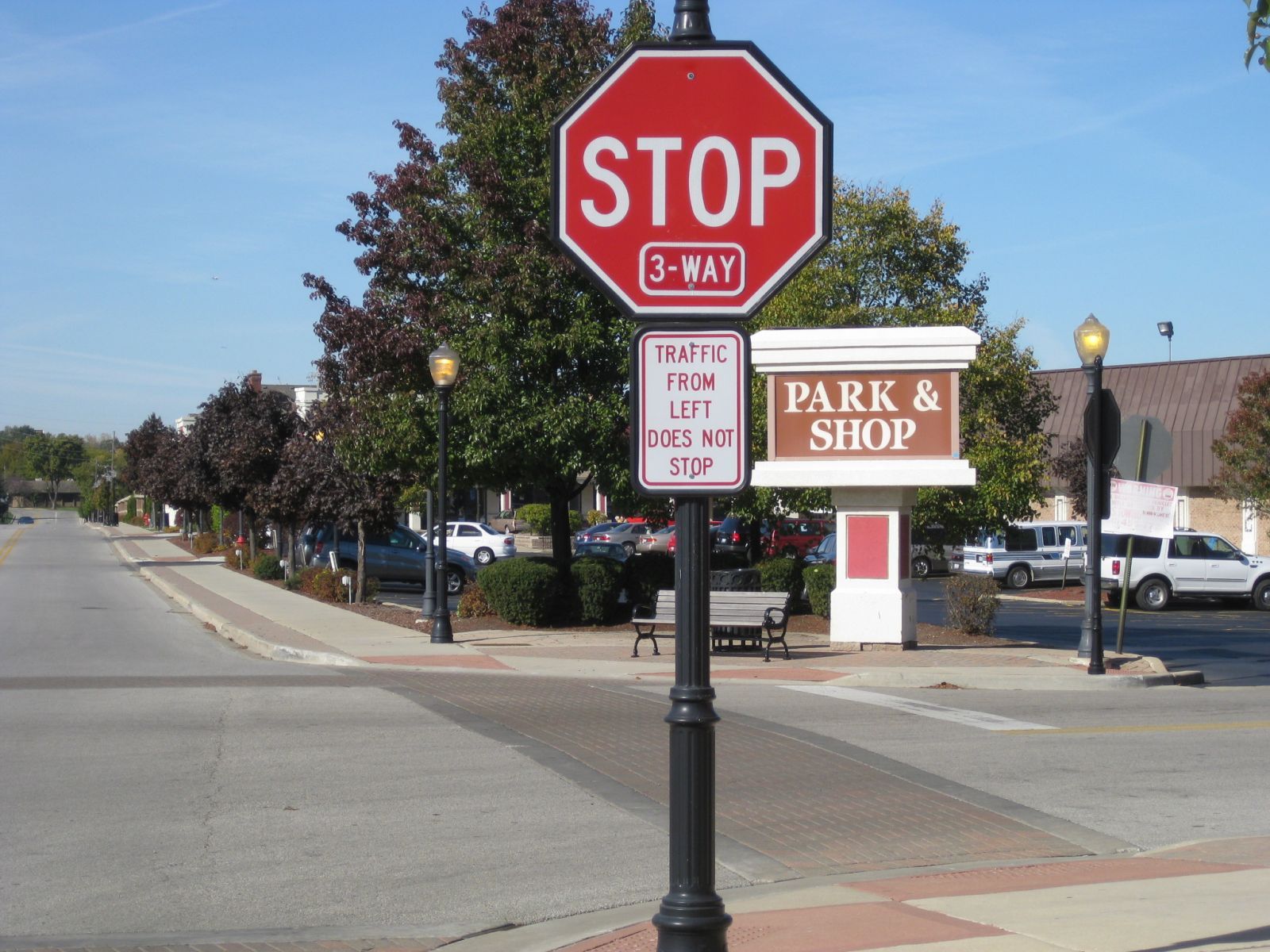
Vision with normal (20/20) vision
* 20/200 means what a person with normal vision can see at 200 feet that person with the blurred vision needs to be at 20 feet before he/she can see that same object.
Who is affected by myopia?
Myopia usually begins between the ages of 8 and 12 years and nearly always before the age of 20. Genetics is also a factor. Often the degree of myopia increases as the body grows rapidly, then levels off in the late teens. During the growing years, frequent changes in prescription eyewear may be needed to maintain clear vision. Although myopia can begin in the mid to late 20s and level off in the early 30s. The main symptoms are blurred distance vision, headaches, and squinting. A decline in athletic performance can also be an indicator of a visual problem.
SYMPTOMS
- Objects beyond the distance of 20 are seen with difficulty.
- It is harder to see at night.
- A nearsighted person squints to improve vision, has headaches, and sees starbursts or glare while night driving.
- Reading is usually not affected.
How is myopia diagnosed?
Myopia is often suspected when a child performs poorly during a routine eye screening at school. A referral for a comprehensive eye health examination will reveal the degree of nearsightedness. Yearly examinations after myopia have been discovered are advised to determine whether the condition is progressing and if a change (stronger) in prescriptive lenses are needed. Those with extreme nearsightedness are at higher risk of a retinal tear or detachment. Therefore, periodic dilated exams are recommended to ensure that the retina is healthy throughout the entire eye.
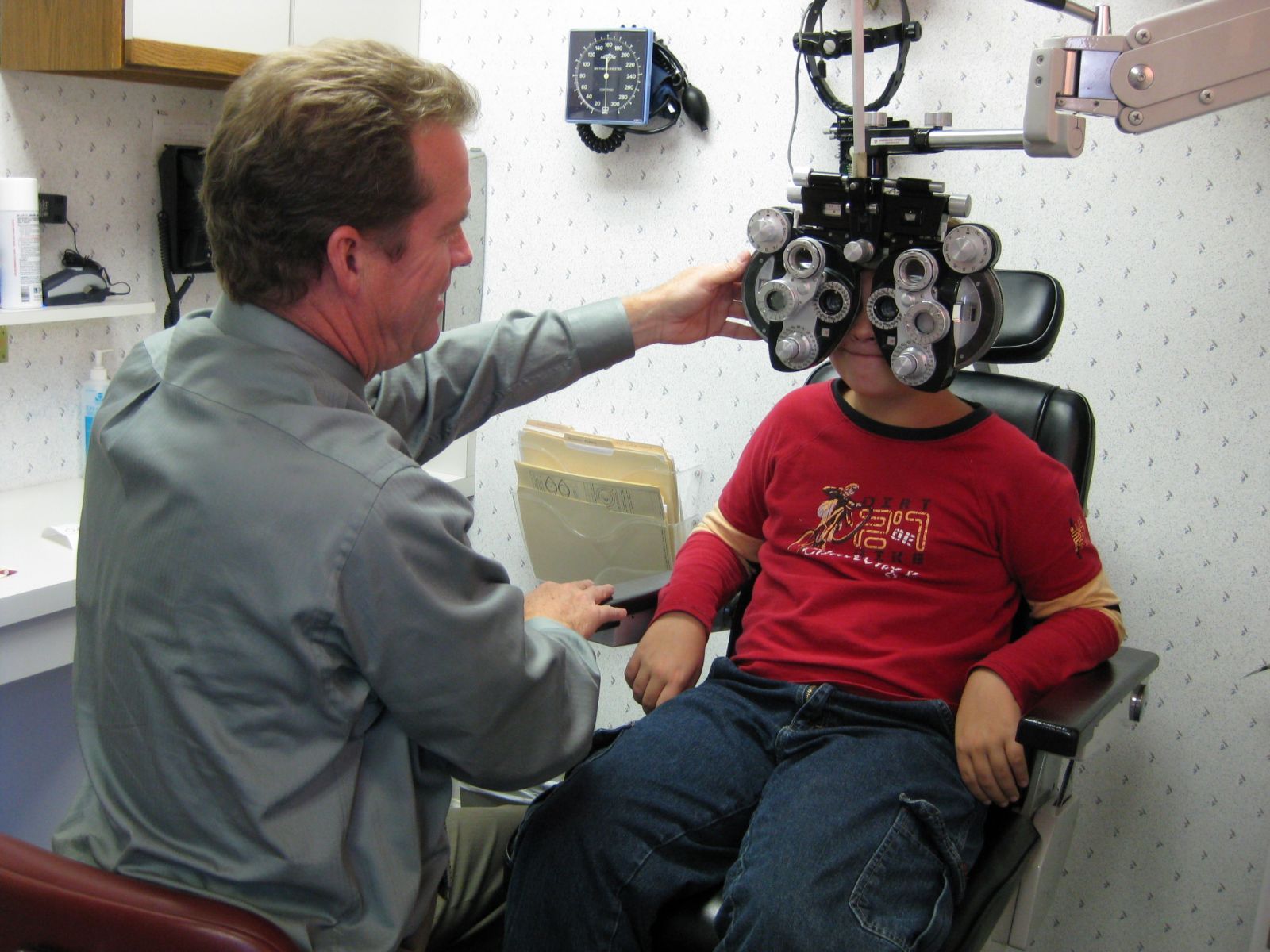
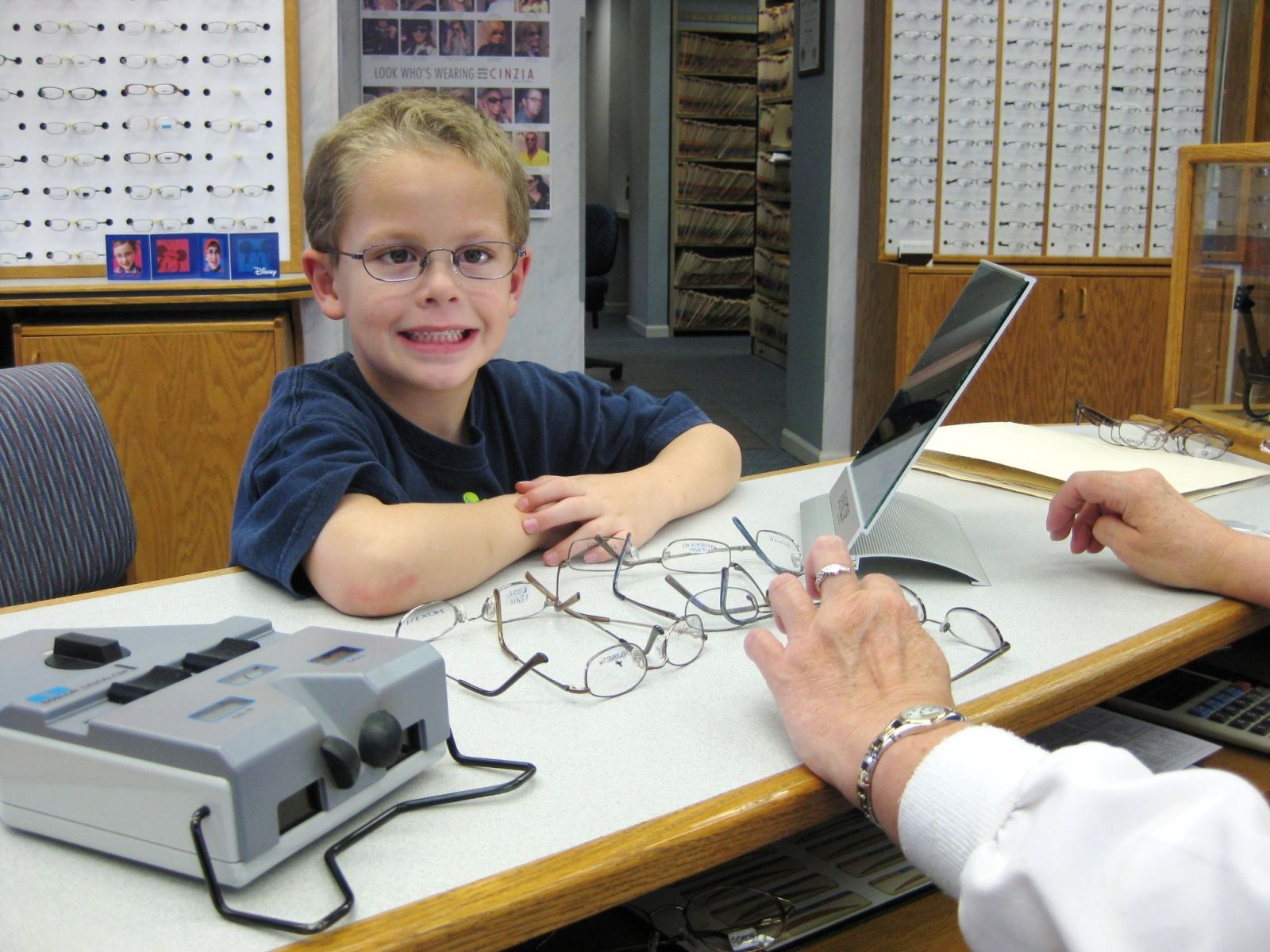
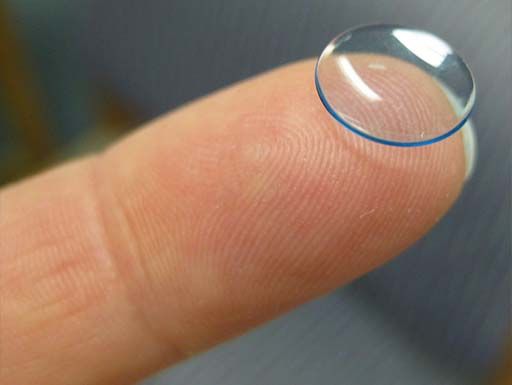
Myopia can be diagnosed only by an eye exam and is corrected with glasses contacts or LASIK
TREATMENT
GLASSES:
As with other refractive errors, corrective lenses are prescribed to help focus light more effectively on the retina. Depending on the degree of myopia, glasses
may be needed all of the time for a clear vision. If the degree of impairment is slight, glasses may be needed only for activities that require distant vision, such as driving or watching TV.
CONTACT LENSES:
SOFT DISPOSABLE LENSES are very supple and very soft. They are disposed of at regular intervals, from every 2 weeks to once a month. They are frequently prescribed and are good for people who play sports. Click here for more information.
RGP: Rigid Gas Permeable. These lenses are more rigid, and if fit correctly, can somewhat help to minimize the progression of myopia. These can pop out of the eye easier, thus not the first lens of choice for an active individual. These last for several years.
LASIK (for adults only): Click here for information.
MYOPIA CONTROL
The concept of myopia control (Orthokeratology) has been around for decades. Although there are no confirmed studies, there definitely is long-term evidence that certain procedures do curtail myopia progression. The reason studies are so difficult is that you would need to clone an individual. you would need to have one undergo the procedure and the other not and see how they turn out. When we talk about studies, we are talking about apparent trends. Today, there are two modes used. One is with a rigid lens that actually flattens the front of the eye. The attractive attribute is that the manufacturers recommend wearing this lens while sleeping and then can go the entire day without glasses or contacts. However, in our experience, there are more complications by when sleeping in lenses. another mode that we favor is the wearing of bifocal soft contact lenses. The theory here is that by not having to focus near, the eye doesn't elongate thus keeping myopia in check.

© 2024 Skowron Eye Care. All rights Reserved. Accessibility Statement - Privacy Policy - Sitemap
Powered by:
